
Bhutan tours
24 small-group and private trips, 4 to 14 days, with 2027 festival dates.
★★★★★ 5.0 from 24 Google reviews
Ask about a Bhutan trip

▲ Trongsa Dzong · 2,200 m
All 24 Bhutan trips

4-Day Glimpses of Bhutan
4 days
·
Groups up to 16
5-Day Bhutan Sojourn
5 days
·
Groups up to 16

6-Day Bhutan Cultural Tour
6 days
·
Groups up to 16

7-Day Bhutan Cultural Tour
7 days
·
Groups up to 16
8-Day Bhutan Tour: Paro, Thimphu, Punakha & Phobjikha
8 days
·
Groups up to 16

10-Day Western and Central Bhutan Highlights Tour
10 days
·
Groups up to 16

11-Day Bhutan Cultural Walking Tour
11 days
·
Groups up to 10

14-Day Across Bhutan: West to East Traverse
14 days
·
Groups up to 16

11-Day Paro Tshechu Festival Tour 2027
11 days
·
Groups up to 16

11-Day Thimphu Tshechu Festival Tour with Gangtey Tshechu
11 days
·
Groups up to 16

11-Day Jambay Lhakhang Drup & Prakar Festival Tour
11 days
·
Groups up to 16

11-Day Ura Yakchoe Festival Tour with Domkar Tshechu 2027
11 days
·
Groups up to 16

10-Day Enchanting Punakha Tshechu Festival Tour 2027
10 days
·
Groups up to 16

11-Day Mystic Nimalung & Kurjey Tshechu Tour of Central Bhutan (9 June, 2027)
11 days
·
Groups up to 16

14-Day Trashigang Tshechu & Mongar Tshechu Festival Tour
14 days
·
Groups up to 16

12-Day Surreal Bhutan
12 days
·
Groups up to 10




Explore Bhutan with Far & High through cultural tours, festival journeys, trekking adventures, and thoughtfully designed travel packages.
Discover the magic of the Himalayas with our handcrafted Bhutan tours, scenic treks, and immersive festival journeys. Whether you are planning a private Bhutan trip or looking for a carefully designed travel package, our itineraries offer an authentic introduction to the legendary Land of the Thunder Dragon.
Cradled in the eastern Himalayas between India and Tibet, the Kingdom of Bhutan—known natively as Druk Yul—is renowned for its remarkable landscapes, living Buddhist traditions, and strong commitment to cultural and environmental conservation. Bhutan’s unique approach to development places Gross National Happiness alongside economic growth, emphasizing spiritual well-being, cultural preservation, environmental stewardship, and sustainable development.
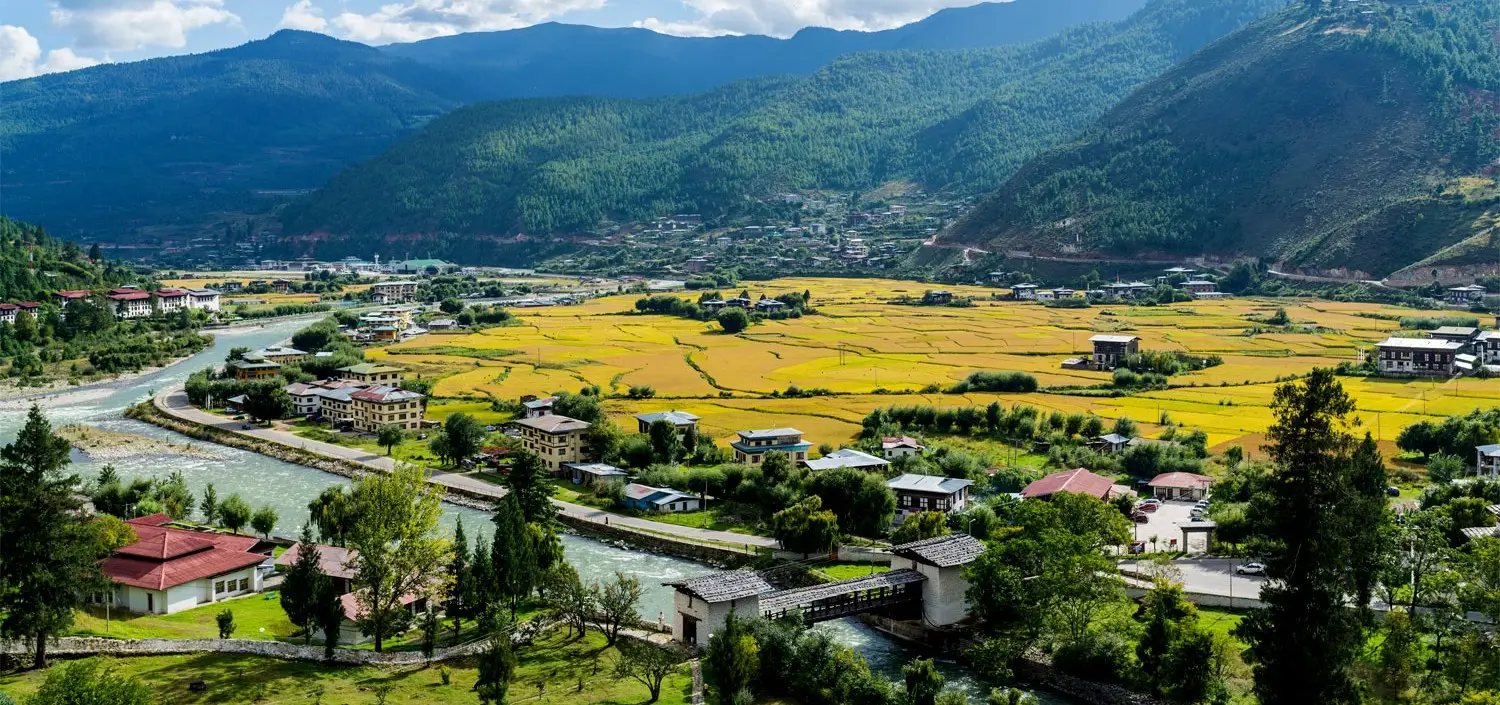
More than 70% of Bhutan’s land area remains under forest cover, creating a spectacular landscape of pine and rhododendron forests, deep valleys, alpine rivers, and high Himalayan peaks. From exploring ancient fortress-monasteries (dzongs) and crossing mountain passes to witnessing vibrant Tsechu festival mask dances, our expert local guides and thoughtfully planned itineraries help travelers experience Bhutan’s culture, landscapes, and traditions in a meaningful way.
Explore our Bhutan tours and treks designed to showcase the country’s remarkable landscapes, rich Buddhist heritage, vibrant festivals, and distinctive local culture. From cultural journeys and traditional Tshechu festivals to Himalayan trekking adventures, our itineraries offer a variety of ways to experience Bhutan.
Bhutan Travel Info
Essential guidelines, entry logistics, trip planning tips, articles and blogs on Bhutan
Bhutan Travel FAQs
Find answers to common questions about visiting Bhutan, from the best time to travel and choosing a tour to festivals, trekking, entry requirements, and trip planning.
What is the best time to visit Bhutan?
Bhutan can be visited throughout the year, but the best time depends on what you want to experience.
Spring (March–May) is one of the best seasons for trekking and outdoor exploration. The weather is generally dry, and rhododendrons and other wildflowers come into bloom across the hills and valleys. Spring is also an important season for Bhutanese festivals, with several major Tshechus taking place during these months.
Autumn (September–November) brings generally clear skies, excellent mountain visibility, and pleasant daytime conditions. The valleys are especially scenic as rice paddies and buckwheat fields add color to the landscape. Early autumn can still be relatively warm, while late autumn brings cooler temperatures, particularly at higher elevations. Autumn is another major season for Bhutan’s festivals and trekking.
Winter (December–February) is generally dry, with clear skies and excellent views of the Himalayas. The landscape is less green, and colder temperatures—especially at higher elevations—make winter unsuitable for most high-altitude treks. However, winter can be a rewarding time for cultural sightseeing and shorter tours.
Summer (June–August) is Bhutan’s rainy season. Frequent rainfall can make mountain roads and long-distance travel more challenging, so it is generally less suitable for extended journeys. However, the countryside is exceptionally green, and shorter cultural tours can still be enjoyable during this season.
Bhutan’s festivals are held throughout the year, although many of the largest and most popular Tshechus take place in spring and autumn. If attending a particular festival is important to you, your travel dates should be planned around its specific festival calendar.
How many days do I need for a Bhutan tour?
The ideal length depends on what you want to experience. A 3- to 4-day Bhutan trip can cover the highlights of Thimphu and Paro, while adding a couple of days allows you to include Punakha. Traveling farther into central Bhutan and returning to the west typically takes 8–12 days. A complete journey from western to eastern Bhutan generally takes two weeks or longer. If you want to add a Himalayan trek or spend time experiencing a traditional festival, plan for additional days.
What are the main attractions to visit in Bhutan?
Bhutan’s greatest attractions are not limited to its scenic landscapes and historic landmarks. The warmth of its people, living Buddhist traditions, rich cultural heritage, simple way of life, and unhurried pace of daily life are an important part of the Bhutan experience.
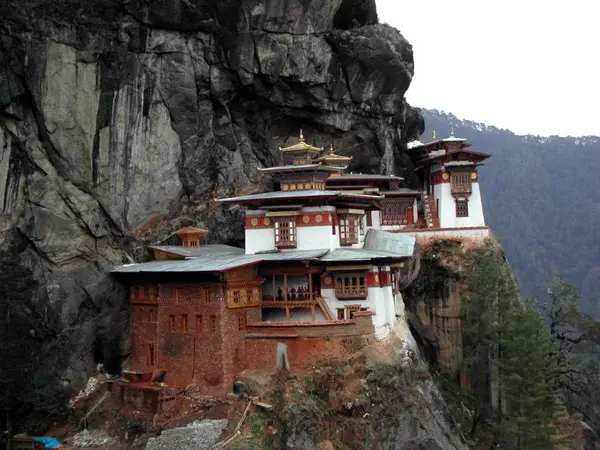
Among the country’s most celebrated sights are Paro Taktsang (Tiger’s Nest Monastery), the historic town of Paro, Thimphu, Punakha Dzong, and the scenic Dochula Pass, with its 108 Druk Wangyal chortens and panoramic Himalayan views on clear days.
Beyond western Bhutan, travelers can venture into the valleys and mountain landscapes of central and eastern Bhutan, discovering remote villages, ancient monasteries, traditional homes, local markets, and communities where longstanding customs remain an integral part of everyday life. Bhutan’s forests, rivers, high mountain passes, and alpine landscapes also provide opportunities for hiking and trekking.
For many visitors, Bhutan’s Tsechu festivals are an attraction in their own right. These vibrant Buddhist celebrations bring together masked dances, music, religious ceremonies, traditional dress, and local communities in the courtyards of monasteries and dzongs.
Ultimately, a journey through Bhutan is as much about experiencing its people, culture, traditions, and distinctive way of life as it is about visiting individual attractions. The best itinerary depends on whether you are interested in cultural exploration, festivals, trekking, nature, or a combination of these experiences.
Can I travel to Bhutan independently?
Yes. Bhutan allows travelers to plan and arrange their own trips without booking an organized tour through a tour operator. Visitors can apply for their own visa or permit, arrange accommodation and transportation, and design their own itinerary. A certified tour operator or hotel can also assist with these arrangements if preferred.
However, independent travel does not mean traveling without a guide. Bhutan Tourism states that visitors must be accompanied by a guide certified by the Department of Tourism while traveling in Bhutan. A guide is also required for visitors entering through land borders and traveling beyond the border towns. Travelers no longer need a separate route permit as long as they are accompanied by a certified guide.
For trekking, the requirements are more specific: all treks must be undertaken with an accredited tour operator or guide, who can assist with the necessary logistics and safety arrangements.
Therefore, you can enjoy considerable flexibility in planning a Bhutan trip independently, but guided travel remains an important part of the country’s tourism regulations. For travelers visiting cultural sites, attending festivals, trekking, or exploring more remote parts of Bhutan, working with an experienced local guide or tour operator can also make the journey more convenient and meaningful.
At Far & High Adventure Travel, we can arrange private and customized Bhutan journeys for travelers who want the flexibility of a personalized itinerary combined with experienced local guides, transportation, accommodations, and other essential arrangements.
Can I go trekking in Bhutan independently?
No. Bhutan’s official tourism guidance states that all treks must be undertaken with an accredited tour operator or guide. Your trekking provider will assist with the necessary logistics, permits where applicable, and safety arrangements.
Bhutan offers trekking opportunities ranging from shorter hikes through forests and mountain valleys to challenging high-altitude journeys. Trekking conditions vary considerably by season and elevation, so choosing an itinerary appropriate for your experience, fitness, and travel dates is important.
For travelers interested in combining cultural exploration with trekking, a customized Bhutan itinerary can include historic dzongs and monasteries, traditional villages, festivals, and Himalayan trails.
Do I need visa for Bhutan?
Visa and entry requirements for Bhutan depend on your nationality.
Indian citizens do not require a visa. They need an Entry Permit, which can be obtained in advance or at a Bhutanese point of entry. Indian nationals must present a valid Indian passport or Voter ID card. The Sustainable Development Fee (SDF) applies at the applicable Indian-national rate.
Citizens of Bangladesh and the Maldives require a visa, but they have a more flexible process: they may apply and obtain their visa before traveling or upon arrival in Bhutan.
Citizens of all other countries, including US and Canada must obtain a visa before traveling to Bhutan. The visa application carries a one-time, non-refundable fee of US$40. Visa applications can be submitted online, or a certified tour operator or hotel can apply on the traveler’s behalf.
In addition to the visa or entry permit requirements, most international visitors must pay Bhutan’s Sustainable Development Fee (SDF) US$100 per person per night. Different SDF rates and exemptions apply to certain travelers, including Indian nationals and some children.
Important SDF note: The current US$100 per night rate is a 50% promotional discount from Bhutan’s standard US$200 SDF. The promotional rate was introduced effective September 1, 2023, and is officially scheduled to remain in effect through August 31, 2027. After that date, the government may discontinue the incentive, which could result in the SDF returning to its standard US$200 per person per night rate. Travelers planning trips for September 2027 or later should check the latest official SDF policy before booking.
Because Bhutan’s visa, permit, and SDF policies can change, travelers should check the official Bhutan tourism website for the latest requirements before booking their trip.
What is Bhutan’s Sustainable Development Fee (SDF)?
The Sustainable Development Fee (SDF) is a daily fee paid by most international visitors to Bhutan in addition to the cost of their visa, accommodation, transportation, meals, guides, and other travel expenses. The current rate for most international adults is US$100 per person per night, with concessionary rates applying to certain travelers, including children and Indian nationals.
The SDF is part of Bhutan’s tourism policy and is intended to ensure that tourism contributes to the country’s long-term environmental, cultural, social, and economic development. According to Bhutan Tourism, SDF revenue supports programs that preserve Bhutan’s traditions and heritage, protect the natural environment, improve infrastructure, create opportunities for young people, and strengthen the country’s resilience.
The fee is calculated per person, per night, so the total SDF can become a significant part of the cost of a longer Bhutan journey. For example, a 7-night stay at the current adult rate would involve US$700 per person in SDF, before the cost of accommodation, transportation, meals, guides, and other travel services.
Bhutan periodically changes its tourism incentives and SDF rates. Travelers should therefore check the latest official requirements and applicable rates when planning their trip.
At Far & High, we include the applicable SDF in our trip planning and can explain how it affects the overall cost of your Bhutan itinerary.